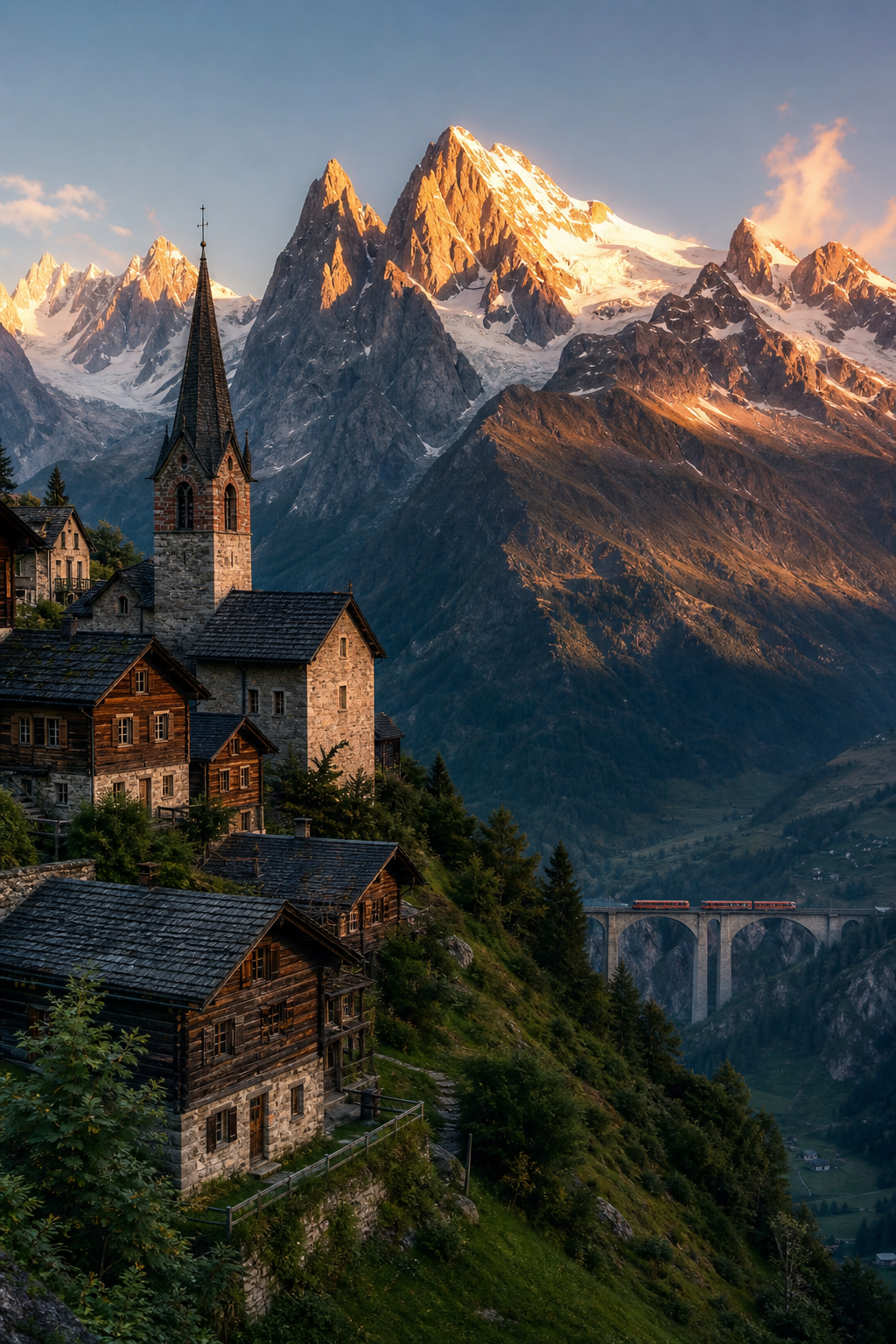
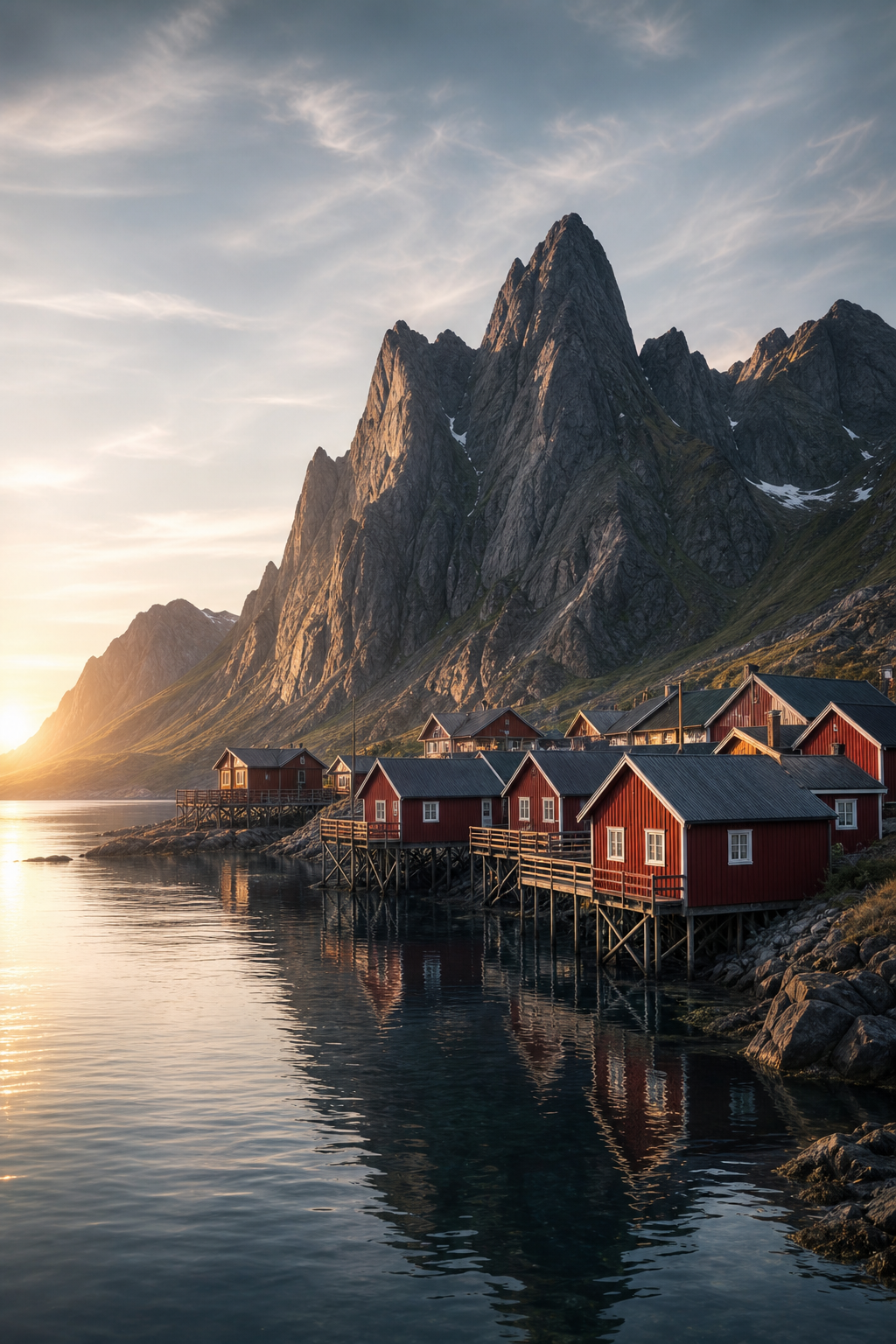
Timing shapes everything, from the quality of light to which roads and trails are open.
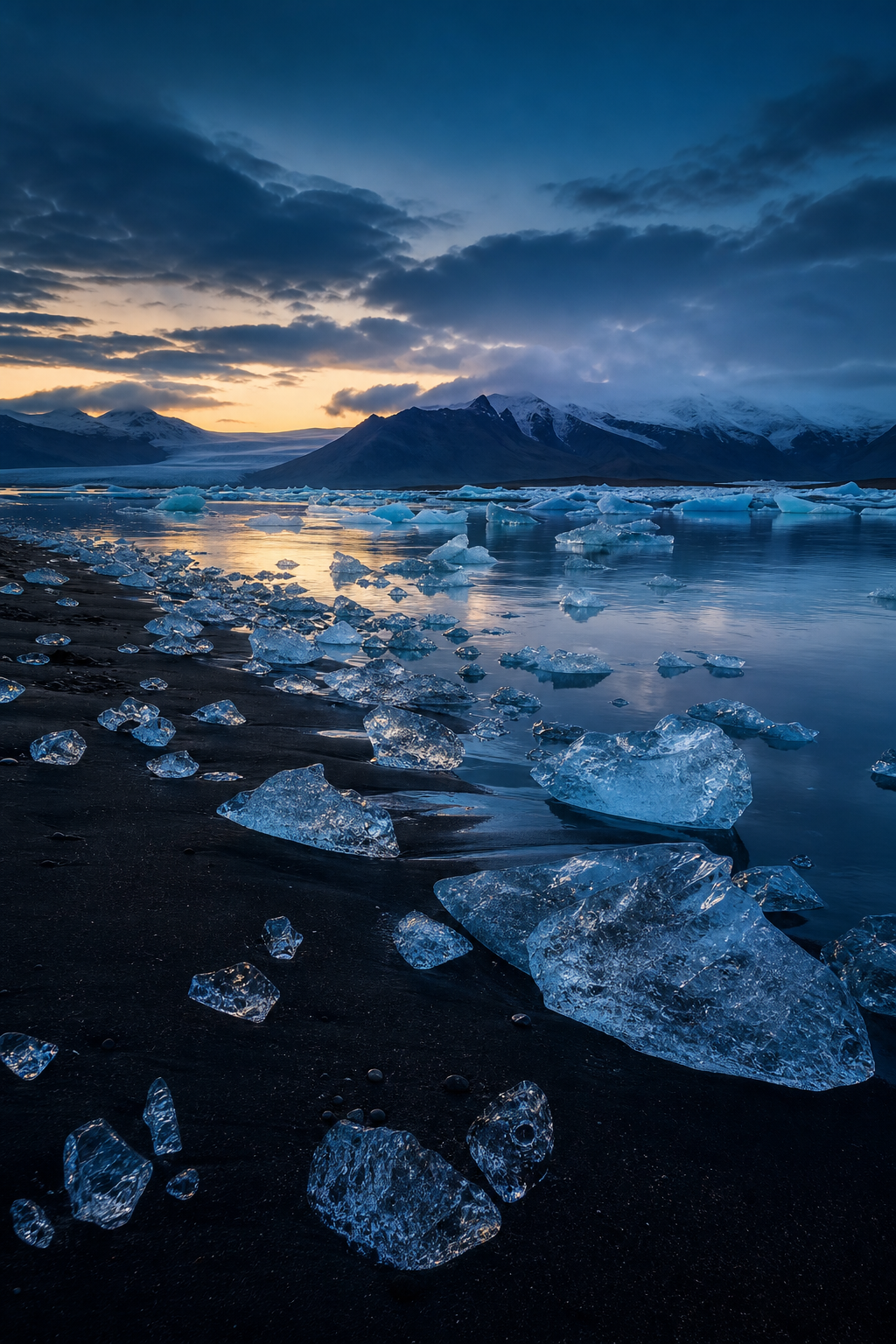
- Iceland
- May–September for open highland roads and long daylight; February–March for stable ice conditions and vivid aurora skies.
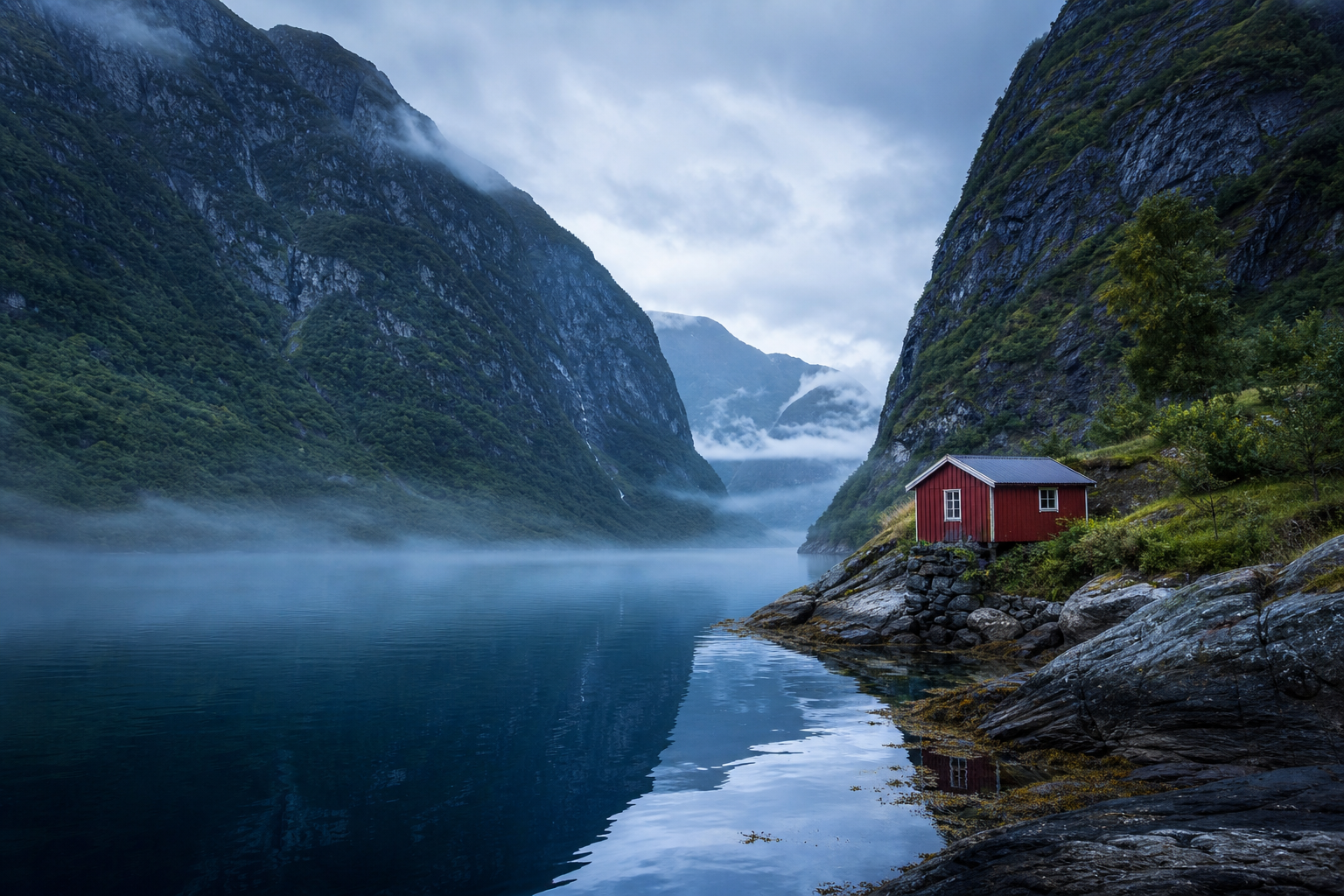
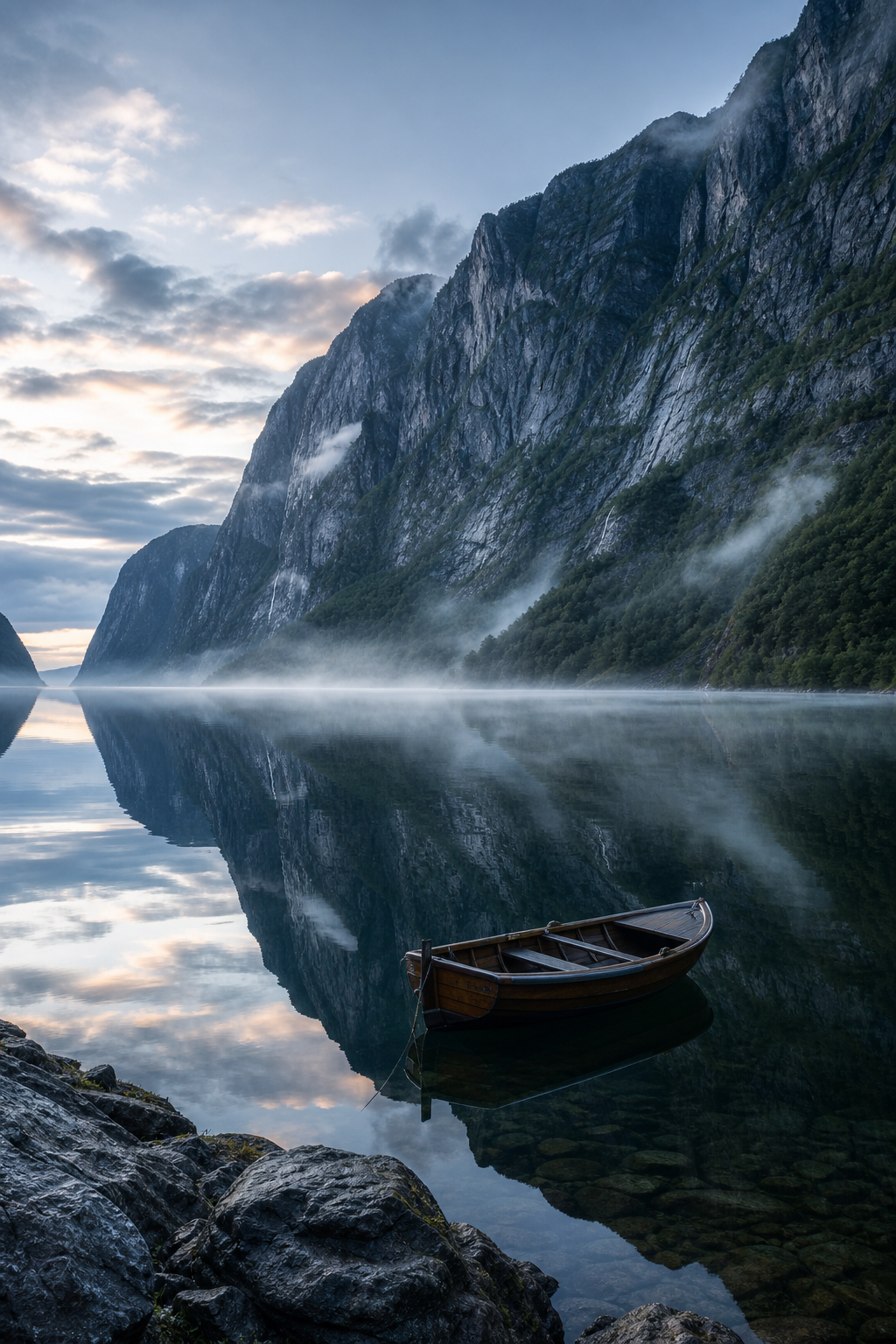
- Norway
- June–August for the midnight sun and calm fjord sailing; late September–March for dramatic winter light and the Northern Lights.
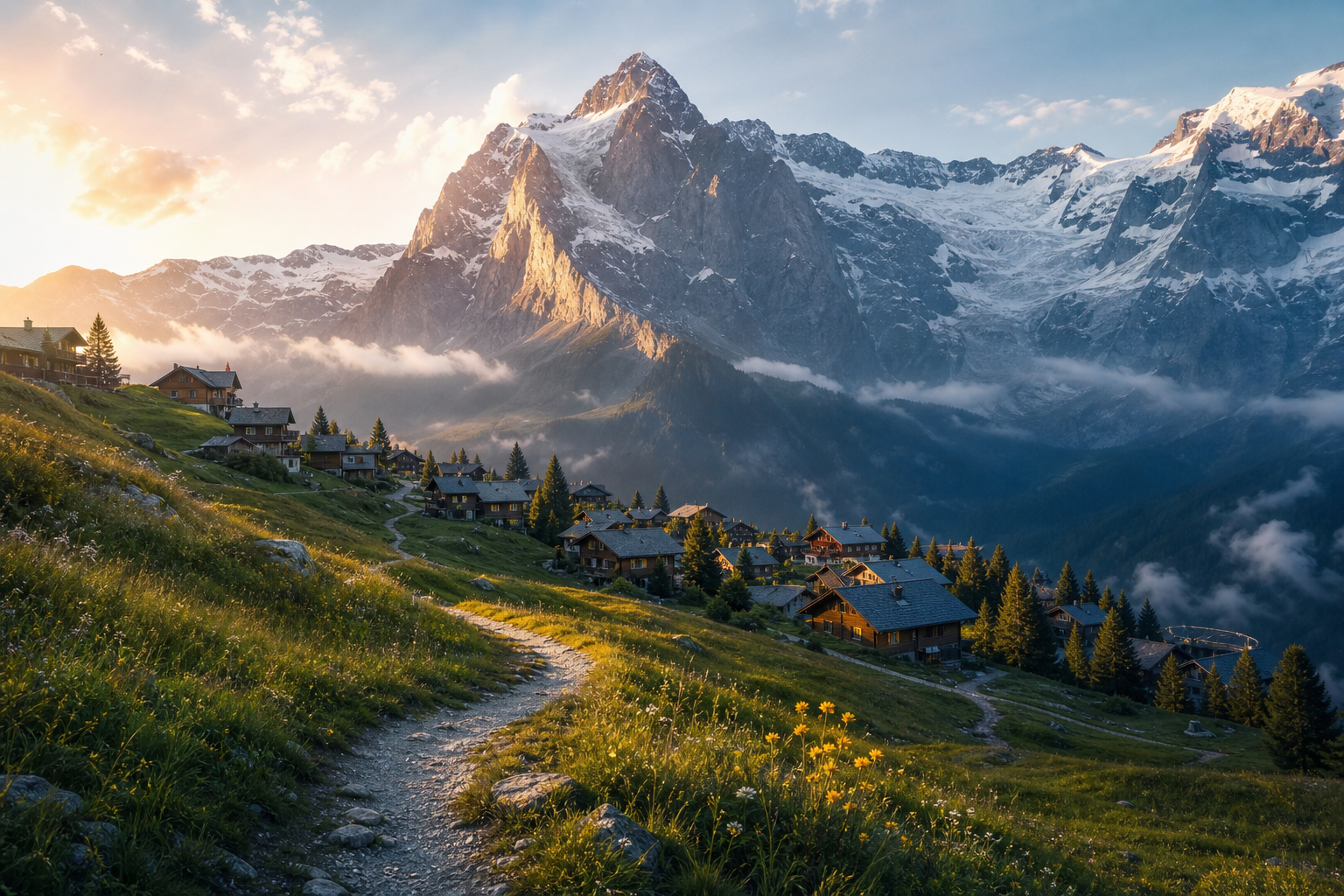
- The Alps
- June–September for high-altitude trails and wildflower meadows; December–March for snow-draped villages and alpine skiing.
Layering is the rule across all three regions — weather shifts quickly at altitude and along the coast.
- Iceland
- A windproof, waterproof outer shell, insulated mid-layers, and sturdy waterproof boots — evenings turn cool even midsummer.
- Norway
- Merino wool base layers, a warm hat and gloves for fjord crossings, and a packable rain layer for coastal showers.
- The Alps
- Broken-in hiking boots, breathable layers for daytime exertion, sun protection at altitude, and a warm layer for cool evenings.
Comprehensive coverage is strongly advised for remote, weather-dependent itineraries.
- Iceland
- Confirm coverage for road closures and glacier excursions, where conditions can alter plans with little notice.
- Norway
- Verify protection for fjord cruises, ferry connections, and adventure add-ons such as kayaking or dog-sledding.
- The Alps
- Look for policies covering high-altitude activity, ski touring, and trip interruption from alpine weather delays.
Good to know: your NorthPeak planner will help match coverage to your exact itinerary before departure.
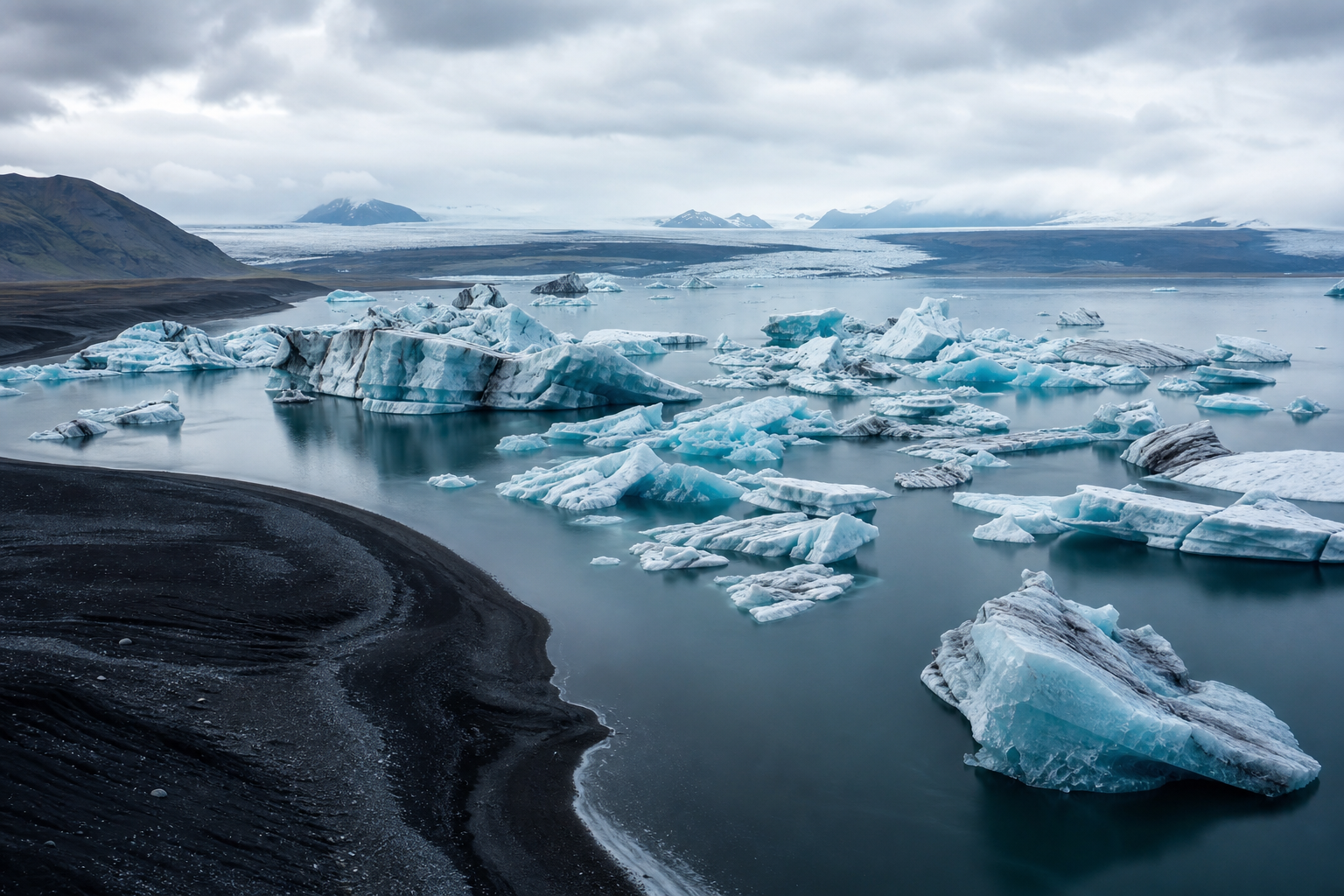 Iceland